Disney’s $233M Wage-Theft Settlement Explained

More than 11,000 american workers were impacted by a headline-making wage-theft case that led Disney to agree to a massive $233 million settlement. Stories like this highlight how questions about fair pay still shape the experiences of many americans on the job. Understanding your rights and responsibilities as an employee or employer could help you avoid major losses, protect your income, and navigate the real risks of wage violations.
Table of Contents
- Disney’s Wage-Theft Settlement: What Happened
- Local Minimum Wage Laws in California
- Understanding the Grace v. Walt Disney Lawsuit
- Employee Rights and Employer Responsibilities
- Key Lessons for Workers and Businesses
Key Takeaways
| Point | Details |
|---|---|
| Massive Settlement | Disney reached a $233 million settlement over wage theft allegations affecting over 11,000 employees. |
| Systematic Wage Violations | The lawsuit highlighted Disney’s practices of manipulating time records to underpay workers across various departments. |
| Importance of Compliance | The case emphasizes the necessity for businesses to adhere to wage laws and maintain transparent compensation practices. |
| Empowerment of Employees | Employees are encouraged to track their work hours and understand their rights to combat wage discrepancies effectively. |
Disney’s Wage-Theft Settlement: What Happened
Disney recently reached a massive $233 million settlement over allegations of systematic wage theft involving thousands of employees. The settlement, filed in California, represents one of the largest wage-related legal actions against a major entertainment corporation in recent history.
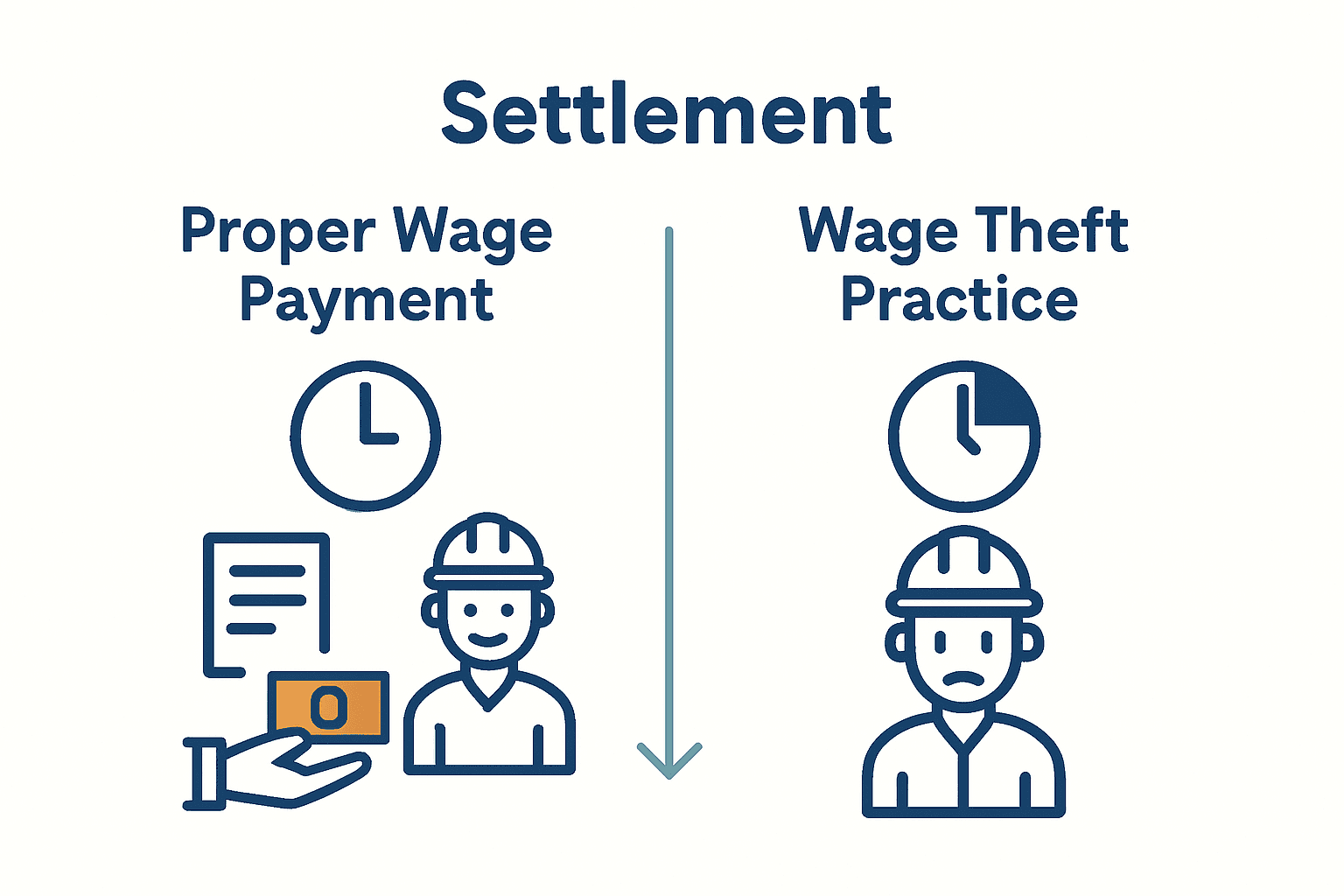
The lawsuit centered on Disney’s alleged practice of systematically underpaying workers by manipulating time-tracking systems and implementing restrictive wage policies. Employees across multiple Disney properties claimed the company routinely shaved minutes from workers’ timecards, effectively stealing compensation for labor performed. These practices impacted hourly workers in various departments, including park operations, hospitality, and customer service roles.
Key details of the settlement include:
- Total settlement amount: $233 million
- Estimated number of affected employees: Over 11,000 workers
- Time period of wage violations: Multiple years preceding the lawsuit
- Compensation method: Direct payments to impacted employees based on documented work hours
The settlement underscores a critical issue in employment law: the ongoing challenge of protecting worker rights against sophisticated corporate wage manipulation tactics. By holding Disney accountable, this legal action sends a powerful message about the importance of fair compensation and transparent workplace time-tracking practices. Employees who believe they have experienced similar wage theft can seek legal guidance to understand their rights and potential recourse.
Local Minimum Wage Laws in California
California has a complex and dynamic system of minimum wage regulations that provide robust worker protections across different jurisdictions. California Department of Industrial Relations mandates that the state minimum wage is set to increase annually, currently standing at $15.50 per hour for all employers as of January 1, 2023.
Local jurisdictions have significant autonomy in establishing wage standards that can exceed state minimums. For instance, Anaheim’s Measure L demonstrates this local flexibility by requiring hospitality employers receiving city subsidies to pay higher wages. The ordinance specifically mandates a living wage starting at $15 per hour in 2019, with annual increases designed to protect workers in the city’s resort district.
Key aspects of California’s local minimum wage laws include:
- State minimum wage currently set at $15.50 per hour
- Local jurisdictions can establish higher minimum wages
- Employers must comply with the most employee-favorable rate
- Annual adjustments to account for cost of living changes
- Special provisions for specific industries like hospitality
These nuanced wage regulations reflect California’s commitment to protecting workers and ensuring fair compensation.
 Employees and employers alike must stay informed about the evolving landscape of wage violations and labor standards to maintain compliance and protect worker rights.
Understanding the Grace v. Walt Disney Lawsuit
The Grace v. Walt Disney lawsuit represents a landmark legal challenge addressing wage violations in the entertainment industry. FindLaw Caselaw reports that the case centered on Disney’s alleged failure to comply with Anaheim’s Living Wage Ordinance, specifically targeting the company’s wage practices for employees working in subsidized areas.
Disney Living Wage Case documents reveal that the lawsuit challenged Disney’s wage calculations, claiming the company did not appropriately adjust employee compensation in line with local ordinance requirements. The legal action covered employees who were potentially underpaid between January 1, 2019, and December 31, 2025, creating a comprehensive review of wage practices across multiple years.
Key aspects of the lawsuit include:
- Challenging Disney’s compliance with Anaheim’s Living Wage Ordinance
- Addressing systematic wage underpayment
- Seeking compensation for affected employees
- Covering a six-year period of potential wage violations
- Resulting in a substantial $233 million settlement
This legal action highlights the critical importance of local wage ordinances and corporate accountability. By holding Disney accountable, the lawsuit sends a powerful message about the necessity of fair compensation and transparent wage practices, ultimately protecting workers’ rights and ensuring compliance with local employment regulations. Employees facing similar wage challenges can look to this case as a significant precedent in employment law enforcement.
Employee Rights and Employer Responsibilities
Employee rights and employer responsibilities form the critical foundation of fair workplace practices. U.S. Department of Labor guidelines emphasize that employers must comply with federal, state, and local wage laws, ensuring workers receive the highest applicable minimum wage rate. This multilayered legal framework protects employees from potential wage exploitation and establishes clear standards for compensation.
Employers bear significant legal obligations in maintaining workplace fairness. These responsibilities extend beyond mere wage payment and include maintaining accurate time records, providing safe working conditions, preventing discrimination, and ensuring transparent compensation practices. The Disney wage-theft settlement illustrates the severe consequences of failing to meet these fundamental employer responsibilities, highlighting the critical importance of rigorous wage compliance.
Key employee rights and employer responsibilities include:
- Right to receive at least minimum wage
- Obligation to maintain accurate time and payroll records
- Protection against wage theft and compensation manipulation
- Requirement to comply with federal, state, and local wage regulations
- Responsibility to provide clear compensation documentation
- Right to pursue legal action for wage violations
Understanding these rights is crucial for both employees and employers. Employee rights are not just legal abstractions but fundamental protections that ensure fair treatment, dignified compensation, and workplace justice. Workers who recognize their rights and employers who proactively implement ethical wage practices contribute to a more equitable and transparent professional environment.
Key Lessons for Workers and Businesses
The Disney wage-theft settlement serves as a critical wake-up call for both employees and employers about the importance of wage transparency and compliance. This landmark case underscores the potential financial and reputational risks associated with systematic wage violations, demonstrating that cutting corners on employee compensation can lead to devastating legal consequences.
For workers, the key takeaway is the power of collective action and legal recourse. The Grace v. Walt Disney lawsuit illustrates that employees can successfully challenge wage discrepancies, even when confronting a large, influential corporation. This case empowers workers to carefully track their hours, understand local wage ordinances, and not hesitate to speak up when they suspect unfair compensation practices.
Critical lessons from this settlement include:
- Importance of meticulous time-tracking and record-keeping
- Necessity of understanding local and state wage regulations
- Risks of systematic wage manipulation
- Value of proactive compliance and transparency
- Potential for substantial financial penalties for wage violations
- Significance of employee rights and legal protections
Businesses must recognize that wage compliance is not optional. Experienced employment law attorneys can help organizations develop robust systems to prevent wage theft, ensure accurate compensation, and maintain ethical workplace practices. The $233 million settlement serves as a stark reminder that cutting corners on employee compensation is never worth the potential legal and financial repercussions.
Protect Your Rights Against Wage Violations Today
If you or someone you know faces challenges with wage theft or unfair pay practices like those uncovered in Disney’s $233 million settlement, it is crucial to understand your rights and take action promptly. Wage manipulation and unfair compensation impact thousands of workers every year and can cause significant financial and emotional stress. Recognizing issues such as inaccurate time-tracking or failure to comply with local wage laws could save you from ongoing losses.
At Serendib Law Firm, we specialize in defending employees’ rights and holding employers accountable. Explore our resources on Wage Violations and discover how local laws like those in Anaheim protect workers just like you. Don’t wait until your case grows more complicated or your unpaid wages add up. Contact us now at https://serendiblaw.com for a free consultation. Our experienced team is ready to fight for the compensation and justice you deserve.
Frequently Asked Questions
What is the Disney wage-theft settlement about?
The Disney wage-theft settlement involves a $233 million agreement reached over allegations that the company systematically underpaid over 11,000 employees by manipulating time-tracking systems, impacting hourly workers across various departments.
How many employees were affected by the wage violations?
Over 11,000 Disney employees were impacted by the wage violations, which were a result of the company’s alleged practices of shaving minutes off workers’ timecards.
What does the settlement mean for employees?
The settlement means affected employees will receive direct compensation based on their documented work hours, helping to address the past wage theft practices and reinforce their rights to fair compensation.
How can employees ensure they are not victims of wage theft?
Employees can ensure they are not victims of wage theft by meticulously tracking their hours worked, understanding local wage ordinances, and knowing their rights to pursue legal action if they suspect improper wage practices.
Recommended
- Wage Theft and Break Laws in Construction Jobs | Serendib Law Firm
- Wage and Hour Claims - General Rules and Violations | Serendib Law Firm
- Experienced Orange Employment Law Attorneys
- Complete Guide to Commission Pay Disputes in California | Serendib Law Firm
https://www.serendiblaw.com/disney-wage-theft-settlement-guide/?fsp_sid=348


Comments
Post a Comment