Workplace Harassment in Placentia Plants – Employer Liability
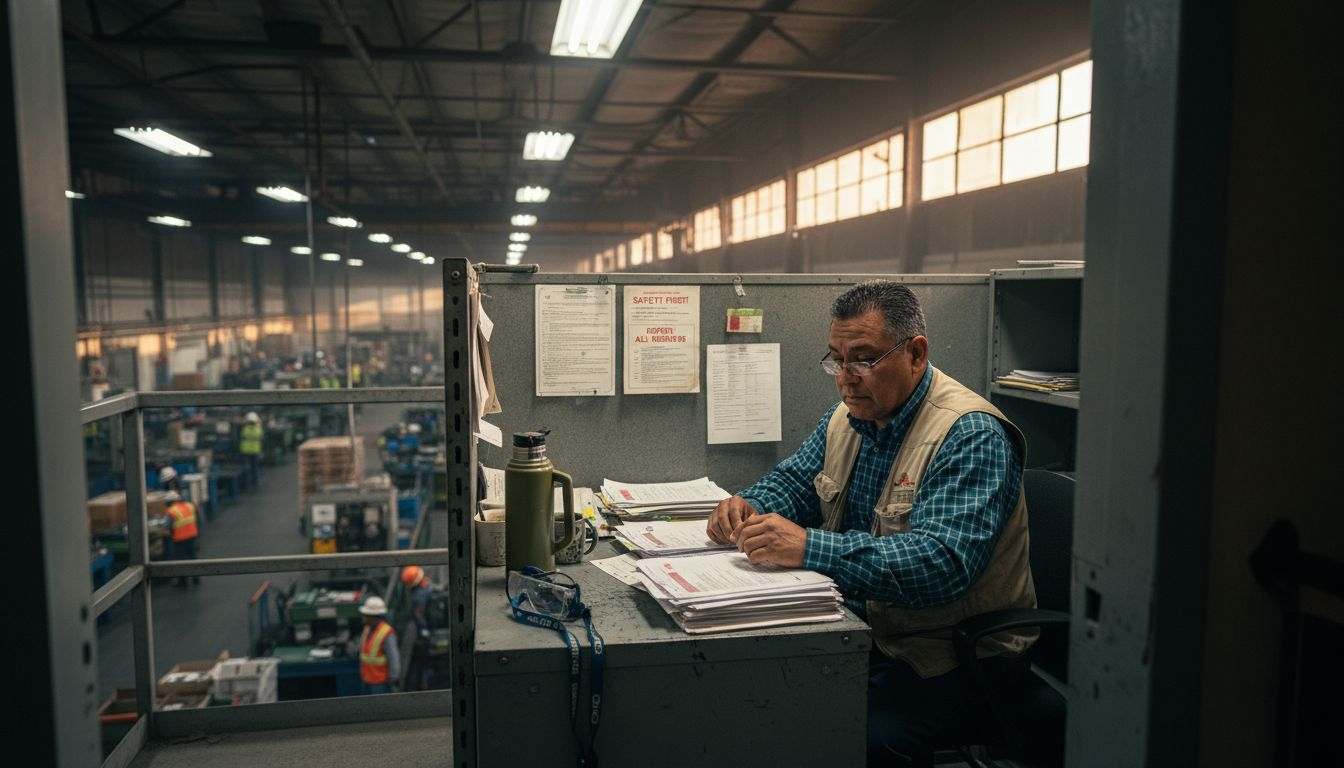
### Understanding and Addressing Workplace Harassment in Placentia Manufacturing Plants
Workplace harassment is an unfortunate reality for many employees in the manufacturing sector, with studies indicating that over 60% of American workers experience some form of this behavior during their careers. For those in Placentia's manufacturing plants, it is essential to understand what constitutes workplace harassment, its implications for both employees and employers, and the rights and protections available under California laws.
**Defining Workplace Harassment**
Harassment in the workplace transcends mere disagreements or personality clashes; it often involves behaviors that undermine an individual’s dignity and safety. In manufacturing settings, this can manifest as physical intimidation, verbal abuse, or discriminatory practices based on race, gender, age, and other protected characteristics. Such hostile interactions create a toxic work environment that not only affects the emotional well-being of employees but also hinders overall productivity.
**Types of Harassment Faced by Workers**
Employees in manufacturing environments may encounter various types of harassment, including:
- **Psychological Harassment**: Often characterized by bullying, persistent criticism, and emotional manipulation, this type of harassment can severely impact an employee's morale and mental health.
- **Physical Harassment**: This includes unwanted physical contact and intimidation, creating an unsafe work atmosphere.
- **Sexual Harassment**: Ranging from inappropriate comments to more severe forms of assault, sexual harassment poses significant risks, particularly for vulnerable workers.
**Legal Framework in California**
California has established robust laws to protect employees from workplace harassment. The Fair Employment and Housing Act (FEHA) mandates that employers create comprehensive anti-harassment policies, provide training, and maintain transparent reporting mechanisms. Employers are held liable for harassment by their employees, provided they do not take reasonable steps to prevent and address such behaviors.
**Employer Responsibilities and Prevention Steps**
Employers must take proactive measures to foster a respectful workplace. This includes developing anti-harassment policies that cover all protected categories, conducting mandatory training, and establishing effective channels for reporting harassment. Failure to comply with these obligations can lead to severe legal consequences for employers, including financial penalties and civil litigation.
**Legal Options for Affected Employees**
If you are experiencing harassment in your workplace, you have options. Employees can file charges with the Equal Employment Opportunity Commission (EEOC) or the California Labor Commissioner’s Office. These legal avenues offer protections against retaliation and empower workers to seek remedies, including compensation or changes in workplace policies.
**Take Action to Protect Your Rights**
Experiencing workplace harassment can be isolating and distressing, but you do not have to navigate it alone. If you face harassment in your Placentia manufacturing job, contact Serendib Law Firm. Our team specializes in employment law and is dedicated to advocating for your rights. We can help you document incidents, understand your employer's responsibilities, and pursue the justice you deserve.
For further insights and support, visit our [Harassment Archives](https://www.serendiblaw.com/category/california-law/ca-employment-law/harassment/) or reach out to us for a free consultation at [Serendib Law Firm](https://www.serendiblaw.com/). Empower yourself with knowledgeable representation and ensure your voice is heard.
Read the full article here: https://www.serendiblaw.com/workplace-harassment-in-placentia/


Comments
Post a Comment