Fountain Valley Case Study: Contractor vs. W-2 Staff
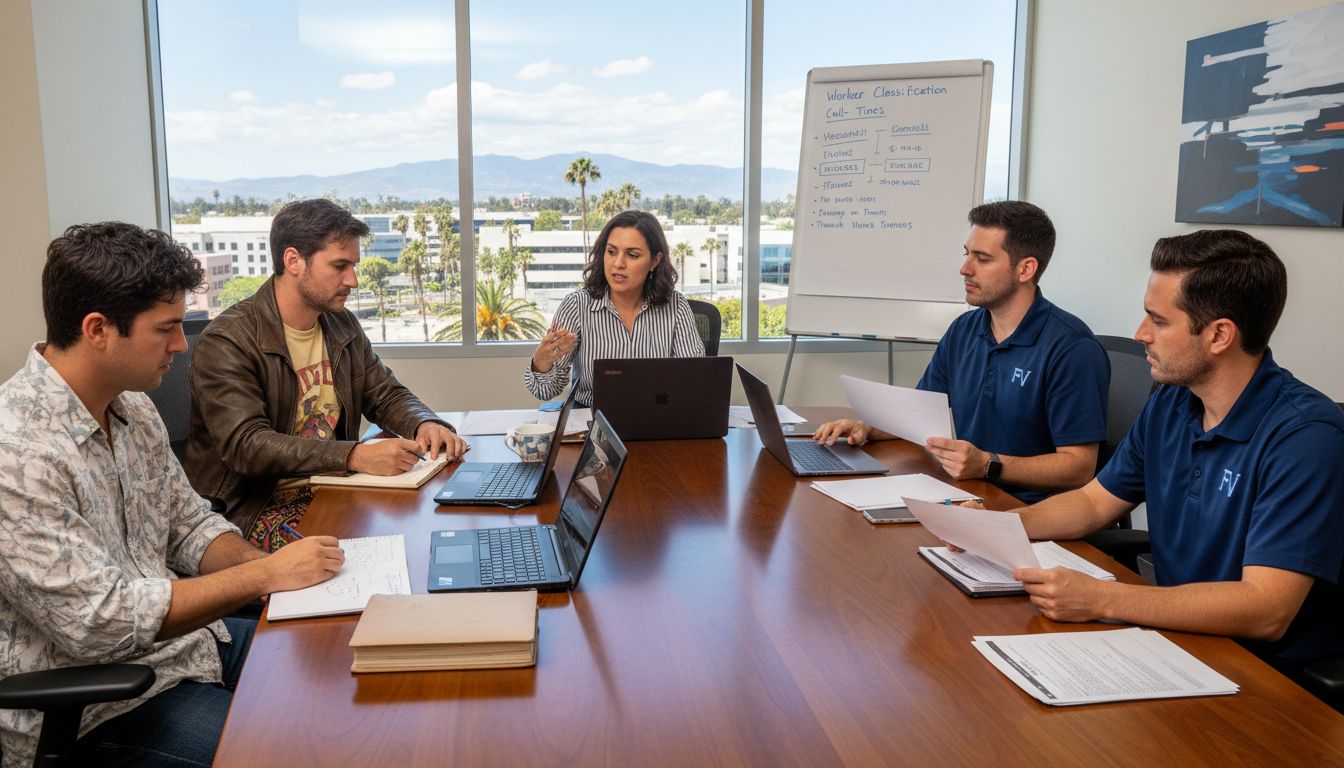
**Understanding Worker Classification: A Deep Dive into Contractor vs. W-2 Employee Dynamics in Fountain Valley**
Navigating the complex waters of worker classification is more critical than ever in today’s evolving job market. With over 50 million American workers facing decisions regarding their classification as employees or independent contractors, understanding these distinctions can significantly impact financial outcomes and legal protections. For both employers and freelancers, the implications of misclassification can lead to costly penalties and confusion about rights and responsibilities.
At Serendib Law Firm, our recent case study focuses on the challenges faced by software firms in Fountain Valley, a microcosm of the broader issues in worker classification. The key takeaways from our analysis emphasize the importance of accurately understanding whether a worker is classified as an independent contractor or a W-2 employee.
### Key Differences: Contractors vs. Employees
**Taxation and Benefits**: The primary distinctions lie in taxation and benefits. W-2 employees enjoy automatic tax withholdings and employer-sponsored benefits such as health insurance and paid time off. In contrast, independent contractors manage their own tax withholdings and must secure their own benefits, often leading to significant financial burdens.
**Control and Autonomy**: Another critical difference arises from the level of control exerted by employers. While independent contractors operate with considerable freedom over how they accomplish their work, W-2 employees typically follow strict employer guidelines and procedures, making it essential to assess the working relationship accurately.
### California’s ABC Test
California’s stringent ABC Test provides a robust framework for determining worker classification. To classify a worker as an independent contractor, employers must demonstrate that the worker meets three criteria: they are free from control, the work performed falls outside the usual course of the employer’s business, and they are engaged in an independent trade. Failing to meet even one of these criteria results in automatic classification as a W-2 employee.
### Real-World Challenges in Fountain Valley
Fountain Valley's software landscape exemplifies the complexities of worker classification. Many local businesses engage developers as independent contractors to save costs, yet these workers often perform core functions that blur the lines of classification. Misclassifying these workers can result in significant penalties, including back taxes and legal fees, alongside reputational damage for the business.
### Protecting Rights Against Misclassification
For workers who suspect they may have been misclassified, understanding their rights is critical. Documenting work responsibilities, comparing job conditions against the ABC Test, and consulting with an employment law professional are essential steps in protecting against misclassification claims.
At Serendib Law Firm, we are committed to helping both workers and businesses navigate these intricate laws. Our extensive resources and experienced team are here to ensure compliance and protect your rights. If you find yourself facing uncertainties in worker classification, we encourage you to reach out for a free consultation.
Explore our Fountain Valley archives for more insights into employment law, and let us help you understand the nuances of your working relationship. Together, we can navigate the complexities of worker classification and ensure that you remain compliant and protected in this evolving legal landscape.
For more information, visit us at [Serendib Law Firm](https://serendiblaw.com).
Read the full article here: https://www.serendiblaw.com/fountain-valley-contractor-misclassification/


Comments
Post a Comment