Whistleblower Protections for Anaheim Healthcare Employees

Nearly one in five healthcare workers report witnessing misconduct on the job, yet many hesitate to speak up due to fear of retaliation. This silence can put both patient safety and institutional ethics at risk, making protections for whistleblowers vital. Clear legal safeguards give healthcare professionals the confidence to report fraud, abuse, and unsafe practices, helping to maintain high standards across medical facilities and protect the well-being of everyone involved.
Table of Contents
- Defining Whistleblower Protections In Healthcare
- Key California And Federal Whistleblower Laws
- Reporting Safety Violations In Anaheim Facilities
- Employee Rights And Employer Obligations
- Anti-Retaliation Protections And Legal Remedies
Key Takeaways
| Point | Details |
|---|---|
| Whistleblower Protections are Essential | These protections enable healthcare workers to report misconduct without fear of retaliation, ensuring patient safety and organizational integrity. |
| Understand Legal Frameworks | Familiarity with federal and California whistleblower laws helps healthcare professionals navigate their rights and protections effectively. |
| Effective Reporting Mechanisms | Healthcare employees should utilize clear reporting channels and document safety concerns to ensure their rights are safeguarded. |
| Robust Anti-Retaliation Measures | Legal remedies are available for those facing retaliation, including reinstatement and compensation for damages, reinforcing the need for thorough documentation. |
Defining Whistleblower Protections in Healthcare
Healthcare workers play a critical role in maintaining patient safety and organizational integrity. Whistleblower protections are legal safeguards designed to empower these professionals to report misconduct without experiencing professional retaliation. According to the American Institute of Healthcare Compliance, these protections shield employees from adverse consequences when they expose violations such as fraud, abuse, or unsafe medical practices.
The scope of whistleblower protections in healthcare is comprehensive. These legal provisions cover multiple types of reportable concerns, including:
- Financial fraud and billing irregularities
- Patient safety violations
- Unethical medical practices
- HIPAA compliance breaches
- Workplace harassment or discrimination
- Dangerous working conditions
When a healthcare professional identifies potential misconduct, whistleblower laws ensure they can report these issues through appropriate channels without fear of termination, demotion, or professional harassment. Whistleblower Protection mechanisms are designed to create a transparent environment where patient safety and ethical standards take precedence over potential institutional embarrassment.
The legal landscape surrounding whistleblower protections recognizes that healthcare workers are often the first line of defense against systemic problems. By providing robust legal shields, these protections encourage employees to speak up, knowing their careers and professional reputation will remain protected when they act in good faith to expose legitimate concerns affecting patient care and organizational integrity.
Key California and Federal Whistleblower Laws
Healthcare professionals navigating whistleblower protections must understand the complex landscape of federal and California state laws. Federal False Claims Act provides a critical framework for reporting healthcare misconduct, imposing significant legal consequences for fraudulent activities. Whistleblowing Retaliation resources can help healthcare workers understand their legal rights and protections.
According to City of Hope, the Federal False Claims Act establishes robust liability mechanisms for individuals who knowingly submit false claims to government healthcare programs. Key provisions include:
- Financial penalties up to $11,000 per false claim
- Potential treble damages (three times the actual damages)
- Protections for whistleblowers who report fraudulent activities
- Rewards for individuals who successfully expose misconduct
California’s state-level whistleblower laws complement federal regulations, offering additional layers of protection for healthcare workers. Rady Children’s Hospital highlights that the California False Claims Act mirrors federal statutes, providing similar penalties and safeguards for employees who report institutional misconduct.
The intersection of federal and state whistleblower laws creates a comprehensive legal shield for healthcare professionals. These laws not only protect employees from retaliation but also incentivize transparency and accountability within medical institutions. By understanding these legal protections, healthcare workers can confidently report violations, knowing they have robust legal mechanisms supporting their right to expose unethical or fraudulent practices.
Here’s a summary of major federal and California whistleblower laws for healthcare professionals:
| Law/Statute | Scope of Protection | Key Features |
|---|---|---|
| Federal False Claims Act | Federal healthcare programs | Shields reporters from retaliation Financial penalties for fraud Rewards for whistleblowers |
| California False Claims Act | State-funded healthcare programs | Similar safeguards as federal Penalties for false claims Supports employee reporting |
| California Health & Safety Code §1278.5 | Patient care and safety violations | Prohibits retaliation for safety reports Protects complaints to authorities |
| HIPAA Whistleblower Provision | Patient privacy compliance | Protects reporting of HIPAA breaches Ensures confidentiality for reporters |
Reporting Safety Violations in Anaheim Facilities
Healthcare workers play a crucial role in maintaining patient safety, and understanding the proper channels for reporting violations is essential. Unsafe Work Environment FAQs provide valuable guidance for employees navigating complex reporting processes in Anaheim healthcare facilities.
According to Arkady Law, California Health and Safety Code section 1278.5 provides robust protections for healthcare workers who report unsafe patient care conditions. This critical legislation explicitly prohibits healthcare facilities from retaliating against employees who file complaints about patient safety. Employees have multiple reporting channels, including:
- Internal facility compliance departments
- Direct communication with facility management
- Reporting to state regulatory agencies
- Contacting professional medical boards
- Documenting specific safety concerns in writing
The American Institute of Healthcare Compliance emphasizes that healthcare employees in California are actively encouraged to report safety violations without fear of professional repercussions. State laws create a protective framework that ensures whistleblowers can speak up about potential risks to patient well-being.
Successful safety violation reporting requires careful documentation, clear communication, and an understanding of legal protections. Healthcare professionals should maintain detailed records of observed violations, include specific dates and circumstances, and utilize official reporting mechanisms. By taking a systematic approach, employees can effectively address safety concerns while protecting themselves from potential retaliation.

Employee Rights and Employer Obligations
In the complex landscape of healthcare employment, understanding the delicate balance between employee rights and employer responsibilities is crucial. Experienced Orange Employment Law Attorneys can help navigate these intricate legal requirements that protect both employees and healthcare institutions.
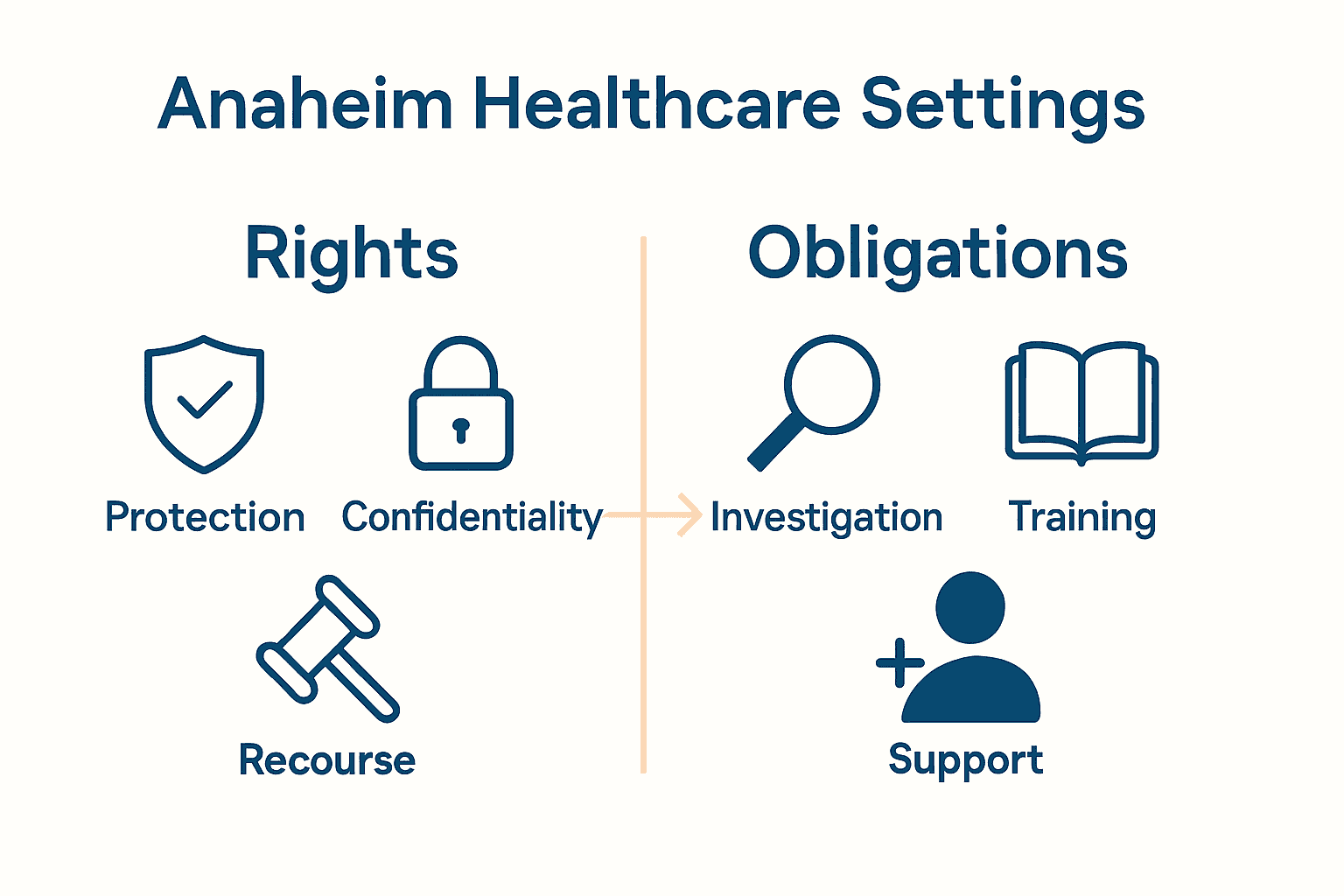
According to Arkady Law, healthcare employees have fundamental rights when it comes to workplace safety and reporting misconduct. Employee Rights fundamentally include:
- Protection from retaliatory actions
- Right to report unsafe working conditions
- Confidential reporting mechanisms
- Access to legal recourse if rights are violated
- Protection of professional reputation
The American Institute of Healthcare Compliance emphasizes that employers bear significant Obligations in maintaining a safe and transparent workplace. These responsibilities extend beyond mere compliance and include:
- Establishing clear reporting procedures
- Conducting thorough investigations of reported concerns
- Protecting whistleblowers from professional retaliation
- Maintaining a culture of safety and accountability
- Providing regular training on workplace rights
Ultimately, successful healthcare environments depend on mutual respect, transparent communication, and a shared commitment to patient and worker safety. By understanding their rights and obligations, both employees and employers can create workplaces that prioritize ethical practices, professional integrity, and comprehensive patient care.
Anti-Retaliation Protections and Legal Remedies
Healthcare professionals facing potential workplace retaliation have robust legal protections designed to safeguard their rights and professional integrity. Whistleblower Retaliation resources provide critical guidance for understanding these comprehensive legal safeguards.
According to Arkady Law, California law establishes a strong presumptive protection for whistleblowers. Notably, the legal framework includes a rebuttable presumption of retaliation if adverse employment actions occur within 120 days of filing a complaint. Potential legal remedies for healthcare workers include:
- Reinstatement to previous employment
- Full back pay with interest
- Compensation for damages
- Restoration of lost benefits
- Potential punitive damages
- Recovery of litigation expenses
The American Institute of Healthcare Compliance emphasizes that the False Claims Act provides comprehensive protections against retaliatory actions. These protections extend beyond immediate workplace consequences, offering whistleblowers multiple layers of legal defense and potential compensation.
Navigating anti-retaliation claims requires careful documentation, strategic legal approach, and a thorough understanding of both state and federal protections. Healthcare professionals should maintain detailed records of all interactions, communications, and potential retaliatory actions, creating a robust foundation for potential legal proceedings if workplace rights are violated.
Protect Your Rights as an Anaheim Healthcare Whistleblower
Facing retaliation for reporting unsafe conditions or misconduct can be overwhelming. This article highlights the critical whistleblower protections designed to shield healthcare employees from wrongful termination, demotion, or harassment. If you have witnessed patient safety violations or workplace fraud, you deserve strong legal support to defend your rights and career.
Do not wait until retaliation threatens your livelihood. Explore resources on Whistleblower Retaliation Archives | Serendib Law Firm to understand how California employment laws safeguard you. Our experienced attorneys at Serendib Law Firm provide personalized guidance and aggressive advocacy to protect healthcare workers who bravely expose wrongdoing. Take action now to secure your professional future and maintain a safe workplace. Contact us today to schedule a free consultation and learn how we can help.
Frequently Asked Questions
What are whistleblower protections for healthcare employees?
Whistleblower protections are legal safeguards that allow healthcare employees to report misconduct, such as fraud or unsafe practices, without fear of retaliation from their employers.
How can healthcare employees report safety violations in their facilities?
Healthcare employees can report safety violations through internal compliance departments, communication with management, or by contacting state regulatory agencies and professional medical boards.
What legal protections do healthcare workers have against retaliation?
Healthcare workers in California have strong protections against retaliation, including reinstatement, back pay, and compensation for damages if adverse actions occur after they report misconduct.
What types of misconduct are covered under whistleblower protections?
Whistleblower protections cover various misconduct types, including financial fraud, patient safety violations, HIPAA compliance breaches, and unsafe working conditions.
Recommended
- Whistleblower Retaliation Trends in Healthcare Companies
- Whistleblower Retaliation Trends in Healthcare Companies
https://www.serendiblaw.com/whistleblower-protections-anaheim-healthcare/?fsp_sid=57


Comments
Post a Comment