Executive Bonus Disputes: Protecting Newport Beach Contracts

Over 60 percent of American executives encounter bonus disputes during their careers. For corporate leaders and HR managers in Newport Beach, navigating the legal complexities of executive contracts is more than routine business. Understanding key rights, contract terms, and effective dispute resolution strategies can safeguard against costly mistakes and protect your professional interests as you manage compensation agreements in a rapidly evolving workplace.
Table of Contents
- Executive Bonus Disputes And Contract Basics
- Common Types Of Executive Bonus Disputes
- Legal Standards For Breach Of Contract Claims
- Rights And Obligations Of Executives And Employers
- Risks, Liabilities, And Dispute Resolution Options
Key Takeaways
| Point | Details |
|---|---|
| Understand Contractual Components | Grasp the critical elements of executive bonus contracts to avoid disputes, including base structures, performance triggers, and vesting schedules. |
| Document Everything | Maintain detailed records of all communications, performance metrics, and contract terms to establish a strong legal position in case of disputes. |
| Review Clawback Provisions | Be aware of clawback clauses that allow companies to reclaim bonuses under certain conditions and ensure compliance to avoid repayment claims. |
| Utilize Effective Dispute Resolution | Negotiate clear dispute resolution processes in contracts to handle potential conflicts efficiently and minimize financial risks. |
Executive bonus disputes and contract basics
Executive compensation agreements represent complex legal arrangements that require precise understanding and strategic management. When disputes arise over bonus structures or contract terms, Newport Beach executives need comprehensive knowledge to protect their professional interests.
Understanding the foundational legal framework is critical. The Contract Disputes Act establishes key procedures for resolving contractual conflicts, particularly in scenarios involving compensation and performance-based incentives. This legislation provides a structured approach for addressing disagreements between parties, outlining specific mechanisms for claim submission and resolution.
Executive bonus contracts typically involve several critical components that can become potential sources of dispute:
- Base bonus structure: Predetermined financial rewards tied to specific performance metrics
- Performance triggers: Specific conditions that activate bonus payments
- Vesting schedules: Timelines determining when bonuses become fully accessible
- Clawback provisions: Contractual terms allowing companies to reclaim previously paid bonuses under certain circumstances
Navigating these complex agreements requires strategic legal understanding and proactive contract management. Executives must carefully review all terms, understand potential contingencies, and maintain detailed documentation of performance achievements to support their compensation claims.
The following table highlights common pitfalls executives should avoid when managing bonus contracts:
| Pitfall | Business Consequence | Prevention Strategy |
|---|---|---|
| Vague contract terms | Risk of disputes | Seek legal review |
| Poor documentation | Weak legal position | Keep detailed records |
| Ignoring clawback rules | Exposure to repayment claims | Review contract provisions |
| Overlooking performance criteria | Missed bonus opportunities | Clarify expectations |
Pro tip: Maintain meticulous records of your performance metrics, communication exchanges, and contractual correspondence to build a robust defense in potential bonus dispute scenarios.
Common types of executive bonus disputes
Executive bonus disputes emerge from various complex scenarios that challenge compensation agreements and create significant legal tensions. Understanding these potential conflicts helps Newport Beach executives protect their financial interests and navigate potential legal challenges more effectively.
title="YouTube Video"
style="position: absolute; left: 0; top: 0; height: 100%; width: 100%; border: none;"
loading="lazy"
allow="accelerometer; autoplay; clipboard-write; encrypted-media; gyroscope; picture-in-picture"
allowfullscreen
>
One prevalent type of dispute involves signing bonus negotiations. These conflicts frequently arise when initial employment terms become contentious, particularly regarding repayment conditions, eligibility requirements, or early departure scenarios. Signing bonuses are strategic tools used to attract top talent, but their intricate terms can create substantial legal friction.
Multiple categories of bonus disputes commonly surface in corporate environments:
- Performance-based bonus conflicts: Disagreements about meeting specific performance metrics
- Interpretation disputes: Conflicting understandings of bonus calculation methods
- Timing and payment challenges: Disputes regarding when and how bonuses should be distributed
- Forfeiture and clawback controversies: Legal battles over conditions for bonus recovery
- Contractual ambiguity issues: Unresolved questions stemming from vague bonus language
The Fair Labor Standards Act provides critical guidance in resolving these complex disputes, offering frameworks for interpreting bonus agreements and establishing standards for fair compensation practices. Executives must carefully scrutinize contract language, document performance achievements, and understand the nuanced legal landscape surrounding bonus structures.
Pro tip: Always retain comprehensive documentation of your performance metrics, communication records, and contractual agreements to build a strong legal foundation in potential bonus dispute scenarios.
Legal standards for breach of contract claims
Breach of contract claims represent complex legal challenges that require precise understanding of specific judicial standards and evidentiary requirements. For Newport Beach executives navigating compensation disputes, comprehending these legal frameworks is essential to protecting professional interests and pursuing potential legal remedies.

Understanding the fundamental legal standards for contract breach involves demonstrating four critical elements. Executives must establish: (1) a valid contract existed, (2) a material breach occurred, (3) the breach caused demonstrable harm, and (4) the claiming party fulfilled their contractual obligations.
Key components of successful breach of contract claims include:
- Contractual validity: Proving the original agreement met legal requirements
- Material breach determination: Showing the violation significantly impacted contract purpose
- Damages documentation: Quantifying financial or professional losses
- Causation evidence: Establishing direct link between breach and sustained damages
- Performance verification: Demonstrating personal compliance with original contract terms
The United States contract law provides multiple potential remedies for executives facing contractual violations. These may include monetary damages, contract reformation, specific performance requirements, or potential injunctive relief. Each remedy depends on specific case circumstances, contractual language, and the nature of the perceived breach.
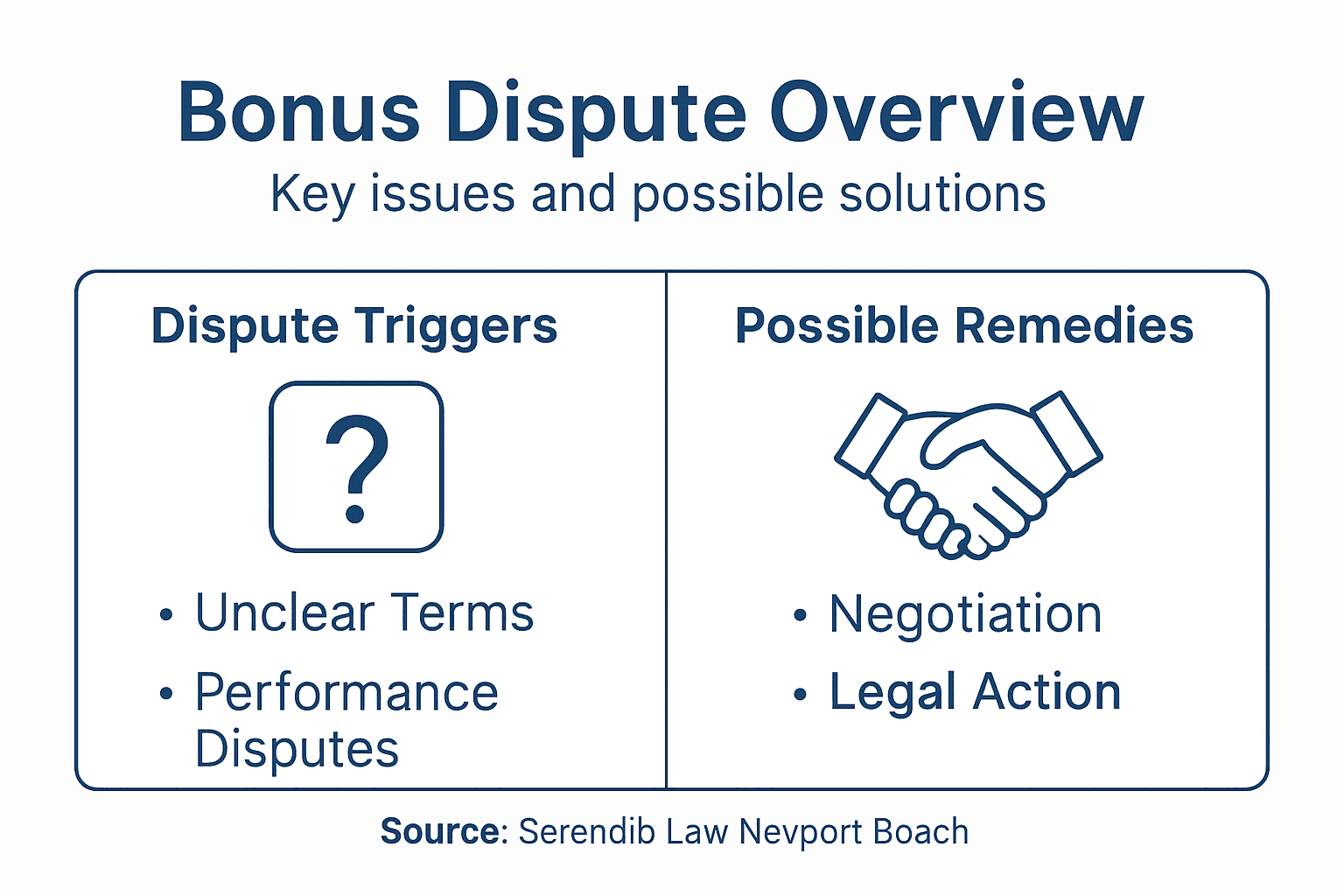
Pro tip: Preserve all documentary evidence, communication records, and performance documentation to build a comprehensive legal case should a breach of contract dispute emerge.
Rights and obligations of executives and employers
Employment contracts establish a critical framework defining the complex legal relationship between executives and their employers in Newport Beach. These agreements outline specific rights, responsibilities, and mutual expectations that govern professional interactions and potential dispute resolution mechanisms.
Understanding contract negotiation dynamics requires recognizing the nuanced obligations each party assumes. Executives are typically expected to:
- Perform job responsibilities with professional competence
- Maintain confidentiality of proprietary company information
- Act in the organization’s best business interests
- Meet established performance metrics
- Adhere to contractual performance standards
Employers correspondingly carry substantial legal obligations that include providing:
- Agreed compensation and benefits
- Clear performance expectations
- Professional working conditions
- Reasonable opportunities for professional growth
- Transparent evaluation processes
The government contract law provides additional frameworks for understanding these intricate professional relationships. Employers must maintain fair employment practices, while executives must demonstrate consistent professional accountability and performance aligned with contractual commitments.
Pro tip: Carefully document all performance expectations, communication exchanges, and contractual agreements to create a clear record of mutual obligations and expectations.
Risks, liabilities, and dispute resolution options
Executive compensation disputes involve complex risk management strategies that require proactive planning and strategic legal approaches. Newport Beach executives must understand the potential financial and professional liabilities that can emerge from contract disagreements.
Understanding contract negotiation risks requires identifying potential dispute resolution mechanisms before conflicts escalate. Key risk mitigation strategies include:
- Comprehensive contract language
- Clear performance metrics
- Predefined dispute resolution processes
- Confidential negotiation clauses
- Liquidated damages provisions
Liability risks for executives and employers typically encompass:
- Financial penalties
- Reputation damage
- Professional credibility challenges
- Potential legal litigation costs
- Disruption of business relationships
The Contract Disputes Act provides structured frameworks for addressing potential conflicts, offering administrative and judicial pathways to resolve disagreements efficiently. These mechanisms help protect both parties by establishing clear resolution protocols and preventing arbitrary decision making.
Here is a summary comparing dispute resolution mechanisms relevant for executive bonus contracts:
| Resolution Method | Speed of Resolution | Cost Impact | Privacy Level |
|---|---|---|---|
| Negotiation | Fastest | Minimal | Fully private |
| Mediation | Moderate | Moderate | Typically private |
| Arbitration | Moderate/Fast | Higher | Generally private |
| Litigation | Slowest | Significant | Public record |
Pro tip: Proactively negotiate comprehensive dispute resolution clauses during initial contract discussions to minimize potential future legal complications and financial risks.
Protect Your Executive Bonus Agreements with Trusted Legal Expertise
Executive bonus disputes can put your professional reputation and financial security at serious risk. Complex contract terms like performance triggers, clawback provisions, and ambiguous bonus calculations require careful attention and experienced legal guidance. If you are a Newport Beach executive facing uncertainties over your compensation contract or concerned about potential breach of contract claims, you need a partner who understands the stakes and can advocate zealously on your behalf.
At Serendib Law Firm, we specialize in navigating challenging employment and business litigation issues in Newport Beach. Our team provides personalized support to protect your rights, clarify contractual obligations, and pursue effective dispute resolution pathways. Whether you need help reviewing bonus contracts or defending against clawback claims, explore our dedicated Newport Beach Archives for insights and contact us directly through our website to arrange your free consultation. Do not wait until a dispute jeopardizes your future—take action now to secure your compensation and professional standing.
Frequently Asked Questions
What are common sources of executive bonus disputes?
Common sources of executive bonus disputes include performance-based bonus conflicts, interpretation disputes regarding bonus calculations, timing and payment challenges, forfeiture and clawback controversies, and issues stemming from contractual ambiguity.
How can I protect myself from executive bonus disputes?
To protect yourself, maintain meticulous records of your performance metrics, review contract terms carefully, clarify expectations regarding performance criteria, and consult legal experts to ensure all terms are comprehensively outlined.
What should I do if I believe my bonus has been wrongfully withheld?
If you believe your bonus has been wrongfully withheld, review your employment contract for specific terms related to bonus eligibility and disputes, document all relevant performance metrics, and consider consulting a legal professional to discuss potential breach of contract claims.
What legal standards apply to breach of contract claims regarding executive bonuses?
To establish a breach of contract claim, you must demonstrate that a valid contract existed, a material breach occurred, the breach caused identifiable harm, and that you fulfilled your obligations under the contract.
Recommended
- Experienced Newport Beach Employment Law Attorneys
- Executive Employment Contracts—Villa Park Wrongful Termination Risks | Serendib Law Firm
- Complete Guide to Commission Pay Disputes in California | Serendib Law Firm
- Wrongful Termination Risks for High-Earning Employees
- Marketing for Real Estate Law Firms - Case Quota
https://www.serendiblaw.com/executive-bonus-disputes-newport-beach/?fsp_sid=280


Comments
Post a Comment