Complete Guide to Anaheim Manufacturing Whistleblower Claims

More than 21 percent of manufacturing workers report witnessing serious safety or ethical violations in their workplace. These incidents can risk employee welfare and expose companies to harsh legal penalties. Knowing how whistleblower claims work gives workers the tools to protect themselves, hold employers accountable, and stand up for safer, more honest manufacturing environments. This guide breaks down what whistleblowing really means in manufacturing and highlights the essential steps, rights, and protections every employee should know.
Table of Contents
- Defining Whistleblower Claims In Manufacturing
- Types Of Environmental And Safety Violations
- California And Federal Legal Protections Explained
- Reporting Process And Required Documentation
- Risks, Retaliation, And Employee Rights
- Legal Outcomes, Remedies, And Common Pitfalls
Key Takeaways
| Point | Details |
|---|---|
| Whistleblower Claims Definition | Whistleblowing allows employees to report unethical or illegal practices within manufacturing, requiring careful documentation to establish a valid complaint. |
| Legal Protections | Federal and California laws provide robust protections against retaliation for whistleblowers, including rights to compensation and filing complaints without fear. |
| Reporting Process | A successful whistleblower claim demands thorough documentation of violations and a clear understanding of legal timelines and procedures. |
| Risks and Remedies | Whistleblowers face significant risks, including retaliation; however, they may be entitled to various remedies such as reinstatement, back pay, and emotional distress compensation. |
Defining Whistleblower Claims In Manufacturing
Whistleblowing represents a critical legal mechanism where employees expose unethical, dangerous, or illegal practices within their workplace, particularly in manufacturing environments. According to Wikipedia, whistleblowing involves employees disclosing information about organizational activities that are potentially harmful or unlawful.
In the manufacturing sector, whistleblower claims can encompass a wide range of serious violations. These might include reporting safety hazards, environmental breaches, fraudulent production practices, or systemic workplace misconduct. As detailed by OSHA, a valid whistleblower complaint must demonstrate four essential elements:
- Protected Activity: Reporting a genuine violation or safety concern
- Employer Knowledge: The employer is aware of the reported issue
- Adverse Action: The employee experiences negative employment consequences
- Causal Connection: Clear link between the protected activity and subsequent adverse action
Navigating whistleblower claims requires understanding both legal protections and potential risks. Workers considering reporting manufacturing violations should document everything meticulously, understand their rights, and consider seeking legal guidance. Whistleblower Protection resources can provide critical support during this challenging process.
Types Of Environmental And Safety Violations
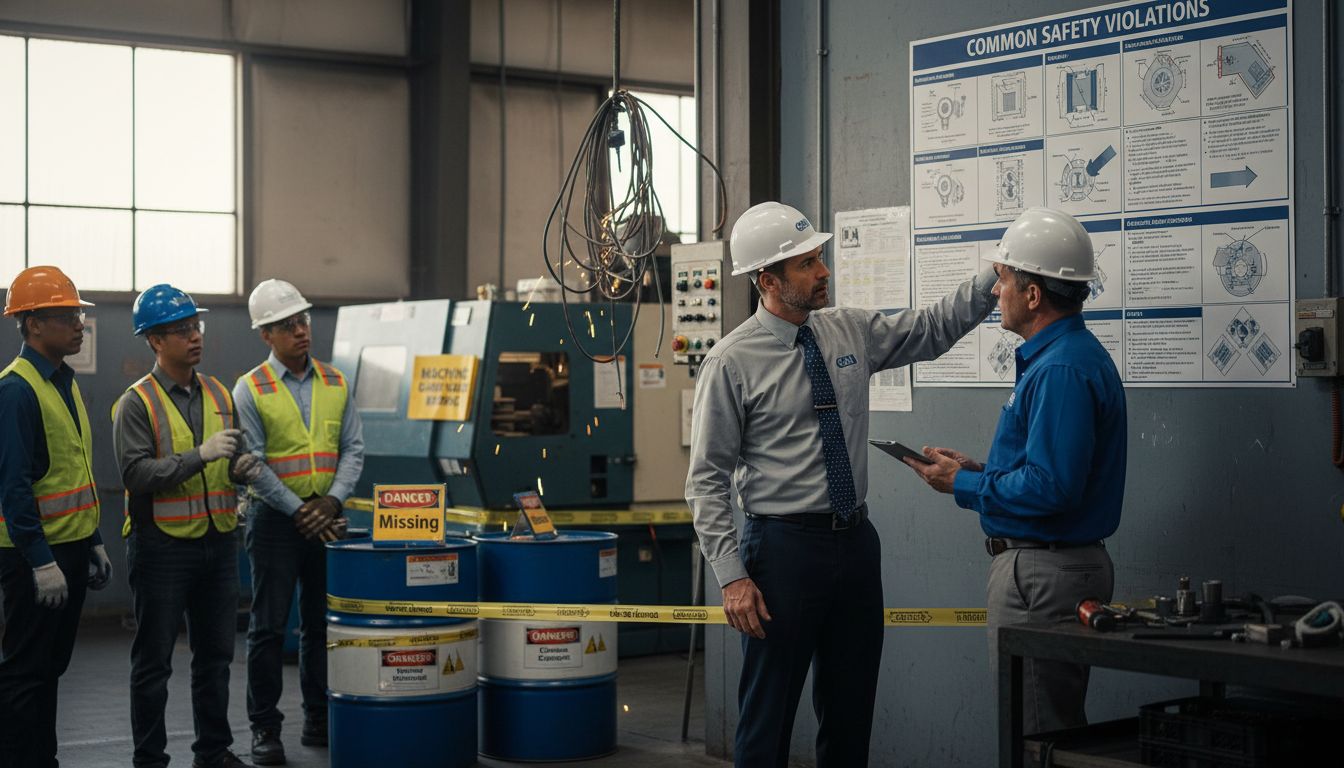
Manufacturing environments present numerous environmental and safety risks that can pose significant threats to worker health and organizational compliance. Safety Plus highlights several critical safety violations that frequently occur in industrial settings, which can lead to serious workplace incidents.
Safety violations in manufacturing often encompass multiple critical areas. According to the research, these include:
- Inadequate Machine Guarding: Leaving dangerous equipment parts exposed
- Hazard Communication Failures: Not properly warning workers about potential risks
- Electrical Safety Violations: Improper electrical system management
- Unsafe Equipment Operations: Particularly dangerous forklift handling
Environmental hazards represent another crucial dimension of workplace violations. Benchmark Environmental identifies several dangerous workplace exposures that can create long-term health risks, including exposure to:
- Heavy metals
- Benzene
- Crystalline silica
- Pesticides
- Formaldehyde
- Carbon monoxide
These environmental and safety violations not only endanger worker health but can also result in significant legal and financial consequences for manufacturing organizations. Comprehensive safety protocols, regular training, and proactive risk management are essential in mitigating these potential threats.
California And Federal Legal Protections Explained
Whistleblower protections represent a critical legal framework designed to safeguard employees who expose organizational misconduct. Wikipedia highlights the Whistleblower Protection Act of 1989, which specifically shields federal employees reporting violations of laws, rules, regulations, mismanagement, fund waste, authority abuse, or substantial dangers to public health and safety.
At the federal level, key legislative protections include comprehensive statutes that empower workers to report illegal activities without fear of retaliation. Wikipedia notes the False Claims Act, which allows whistleblowers to file actions on behalf of the government and potentially receive a portion of recovered damages. This creates a powerful incentive for individuals to come forward with critical information about fraudulent practices.
California provides additional layers of protection beyond federal statutes. State laws offer robust safeguards for workers in manufacturing and other industries, including:
- Protection against workplace retaliation
- Right to file complaints with state agencies
- Potential financial compensation for wrongful termination
- Extended legal recourse for reporting safety and environmental violations
Navigating these complex legal protections requires understanding both federal and state-level regulations. California Employment Law Archives can provide additional insights into the nuanced legal landscape protecting whistleblowers in manufacturing and other industries.
Reporting Process And Required Documentation
Successful whistleblower claims in manufacturing require meticulous documentation and strategic reporting. OSHA emphasizes that whistleblower complaints must demonstrate four critical elements: protected activity, employer knowledge, adverse action, and a clear causal connection between the reported violation and subsequent workplace consequences.
When preparing to file a whistleblower complaint, employees should compile comprehensive evidence. OSHA recommends gathering the following critical documentation:
- Specific dates and times of observed violations
- Precise locations where incidents occurred
- Detailed descriptions of unsafe practices or misconduct
- Names and positions of individuals involved
- Any physical evidence, emails, photographs, or recordings
- Witness statements or contact information
- Records of communications with supervisors or management
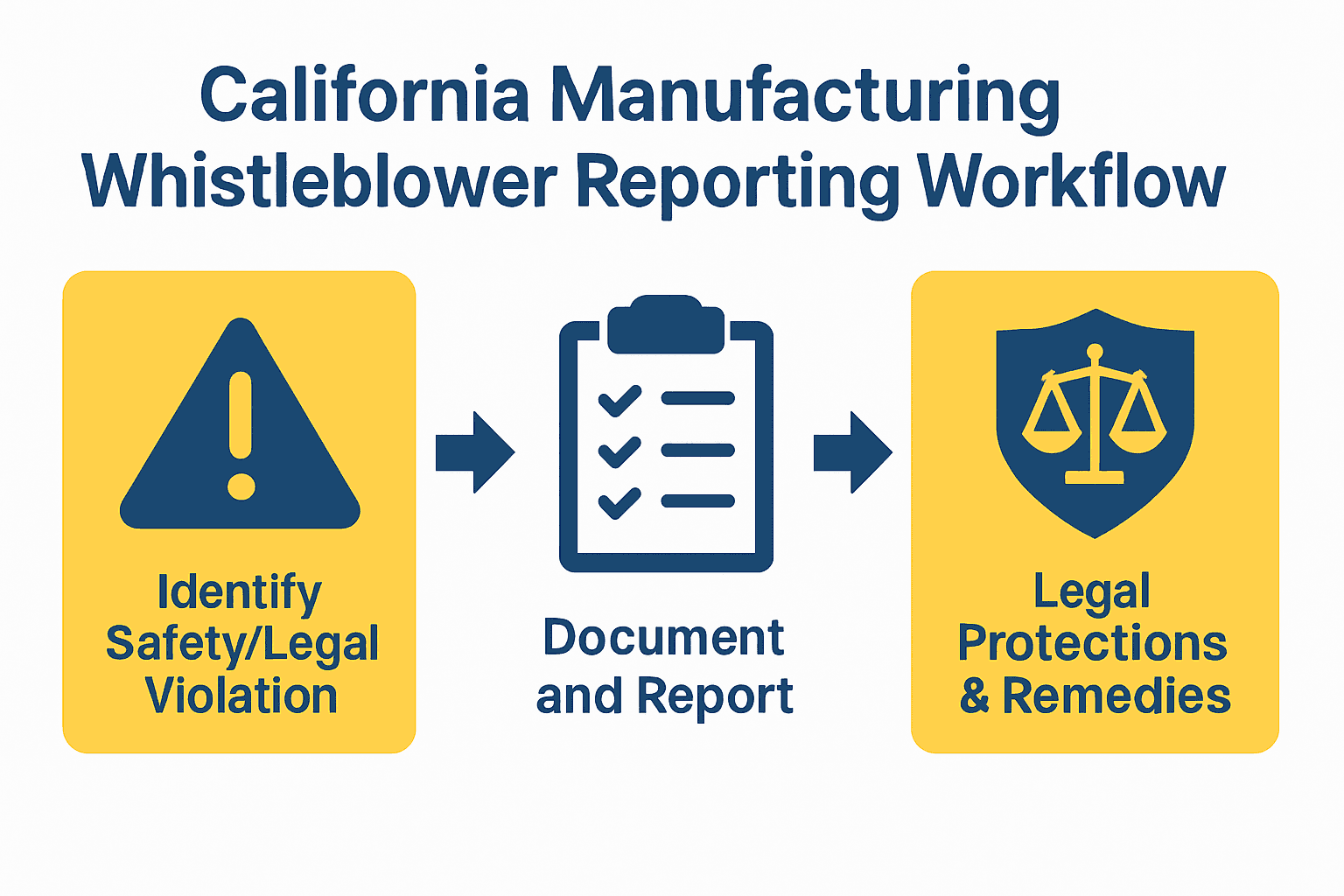
The reporting process typically involves several key steps:
- Document all relevant information thoroughly
- Preserve original evidence securely
- Report internally through proper channels first
- File a formal complaint with appropriate state or federal agencies
- Maintain confidential records of your documentation
Workers should understand that timing is crucial. Most whistleblower protection laws have strict filing deadlines, often ranging from 30 to 180 days depending on the specific violation and jurisdiction. Consulting with an experienced employment law attorney can help navigate these complex requirements and protect your legal rights throughout the process.
Risks, Retaliation, And Employee Rights
Workplace whistleblowers face significant potential risks when exposing organizational misconduct. OSHA identifies various forms of prohibited adverse actions that manufacturers might attempt against reporting employees, including termination, demotion, harassment, reduced hours, or professional marginalization.
Employees are protected by robust legal frameworks designed to shield them from retaliatory actions. Wikipedia highlights the Whistleblower Protection Act, which ensures federal employees cannot be punished for disclosing information about organizational violations. These protections extend critical safeguards to workers who courageously report unethical or unsafe practices.
The most common risks for whistleblowers in manufacturing environments include:
- Professional isolation and career damage
- Unexpected termination
- Reduced job responsibilities
- Harassment or hostile work environment
- Financial retaliation through reduced compensation
- Potential blacklisting within the industry
To mitigate these risks, employees should:
- Document all interactions and potential retaliatory actions
- Understand their legal rights thoroughly
- Seek legal counsel immediately if experiencing retaliation
- Maintain professionalism throughout the reporting process
Whistleblower Retaliation resources can provide additional guidance for workers navigating these challenging workplace dynamics, ensuring their rights remain protected throughout the reporting process.
Legal Outcomes, Remedies, And Common Pitfalls
Whistleblower claims in manufacturing environments involve complex legal landscapes with significant potential consequences. Wikipedia reveals that successful whistleblowers may receive substantial financial compensation, including a portion of recovered damages when their information leads to successful legal actions against fraudulent entities.
Potential legal outcomes for whistleblowers can vary widely, depending on the specific circumstances of the case. Wikipedia highlights that whistleblowers frequently encounter challenging personal and professional obstacles, underscoring the critical importance of understanding potential remedies and legal protections.
Common legal remedies for whistleblowers include:
- Reinstatement to previous job position
- Back pay and lost wages
- Compensation for emotional distress
- Punitive damages against retaliating employers
- Potential financial rewards for exposing fraud
- Legal fees and court cost reimbursement
To avoid common pitfalls, whistleblowers should:
- Maintain meticulous documentation
- Understand precise legal timelines
- Seek specialized legal counsel early
- Protect personal and professional reputation
- Prepare for potential long-term legal processes
Mediations in Employment Law Cases can provide additional strategies for resolving workplace disputes effectively and protecting whistleblower rights throughout complex legal proceedings.
Protect Your Rights as a Manufacturing Whistleblower in Anaheim
Facing retaliation after speaking up about unsafe or illegal practices in manufacturing can feel overwhelming and isolating. If you have identified safety violations or environmental hazards in your workplace, you need skilled legal support to protect yourself from wrongful termination or other adverse actions. This guide highlights the critical issues surrounding whistleblower claims and the protections available under California and federal law.
Don’t let fear or uncertainty hold you back from standing up for what is right. Our experienced team understands the complexities of whistleblower retaliation and employment law in Anaheim. We offer personalized guidance to help you document your case effectively and assert your rights. Learn more about how we can support you by visiting our Whistleblower Retaliation Archives | Serendib Law Firm and the broader Retaliation Archives | Serendib Law Firm.
Take action today and protect your future. Contact us through Serendib Law Firm’s main site to schedule a free consultation with a dedicated Anaheim employment attorney who will fight for your rights.
Frequently Asked Questions
What is a whistleblower claim in manufacturing?
Whistleblower claims in manufacturing involve employees reporting unethical, dangerous, or illegal practices within their workplace, such as safety hazards or environmental violations.
What protections do whistleblowers have when reporting violations?
Whistleblowers are protected by both federal and state laws that prevent retaliation, including the right to file complaints and seek compensation for wrongful termination.
What documentation is required to support a whistleblower complaint?
To support a whistleblower complaint, employees should document specific details, including dates and times of violations, descriptions of unsafe practices, names of involved individuals, and any physical evidence.
What are the risks associated with being a whistleblower in the manufacturing industry?
Whistleblowers may face risks such as professional isolation, termination, harassment, and financial retaliation. However, legal frameworks exist to protect them from such adverse actions.
Recommended
- Whistleblower Protections for Anaheim Healthcare Employees | Serendib Law Firm
- Experienced Anaheim Workplace Discrimination Lawyers
https://www.serendiblaw.com/anaheim-whistleblower-claims/?fsp_sid=335


Comments
Post a Comment