Understanding Disability Discrimination in Tech and Remote Work

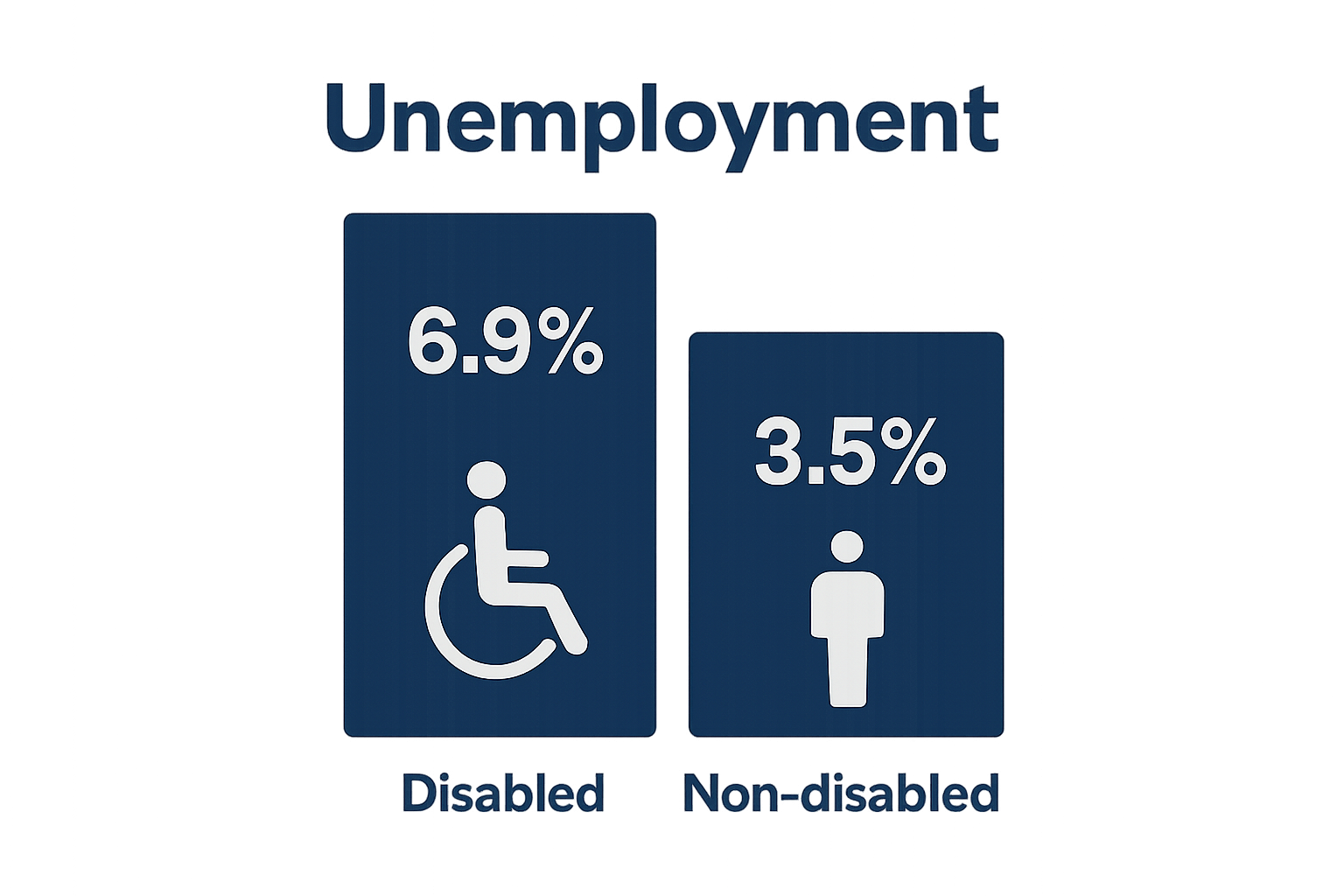
Disability discrimination in tech is more common than people think and it holds back some of the industry’s best minds. The unemployment rate for workers with disabilities is nearly double that of those without disabilities. Most think the biggest obstacle is just outdated laws or office space problems. Actually, the real struggle is the hidden biases that decide who even gets a chance to show their skills.
Table of Contents
- What Is Disability Discrimination In The Tech Industry?
- Why Remote Work Accommodations Are Essential For Inclusivity
- How Disability Discrimination Affects Workers In Tech
- Key Concepts In Disability Rights And Remote Work Practices
Quick Summary
| Takeaway | Explanation |
|---|---|
| Disability discrimination limits opportunities | Employees with disabilities often face unfair treatment, impacting their career growth and access to benefits. |
| Know your legal rights under ADA | The ADA mandates reasonable accommodations, ensuring job performance capabilities are prioritized over disabilities. |
| Remote work enhances accessibility | Flexible remote arrangements eliminate physical barriers, allowing tailored workspaces to meet individual needs. |
| Reasonable accommodations are essential | These modifications help disabled employees perform essential functions and are not merely privileges. |
| Diversity drives innovation in tech | Embracing diverse perspectives, including those of disabled professionals, fosters creativity and problem-solving capabilities. |
What is Disability Discrimination in the Tech Industry?
Disability discrimination in the tech industry represents a systemic challenge where employees with disabilities face unfair treatment, barriers to employment, and unequal workplace opportunities. Workplace disability discrimination occurs when employers treat qualified individuals with disabilities less favorably based on their physical, mental, or neurological conditions.
Understanding Core Discrimination Patterns
In the tech sector, disability discrimination can manifest through several pervasive mechanisms. Companies might deliberately or inadvertently create exclusionary practices that prevent talented professionals with disabilities from accessing career opportunities. These discriminatory practices can include:
- Refusing to provide reasonable workplace accommodations
- Screening out candidates during recruitment based on disability status
- Creating physical or digital work environments that are inaccessible
- Denying promotions or professional development opportunities
- Perpetuating workplace cultures that stigmatize neurodivergent or disabled employees
Legal Protections and Rights
Federal laws such as the Americans with Disabilities Act (ADA) protect workers with disabilities from discrimination. These legal frameworks mandate that employers make reasonable accommodations for qualified employees, ensuring they can perform essential job functions. This includes modifications like adaptive technology, flexible work schedules, or workspace adjustments.
For individuals experiencing disability discrimination in tech, understanding your legal rights becomes crucial. Tech companies are legally obligated to create inclusive environments that evaluate employees based on their skills and performance, not their disabilities.
The tech industry’s ongoing challenge involves transforming workplace cultures to genuinely embrace diversity, recognize different abilities, and create environments where every professional can thrive regardless of their physical or neurological differences.
Why Remote Work Accommodations are Essential for Inclusivity
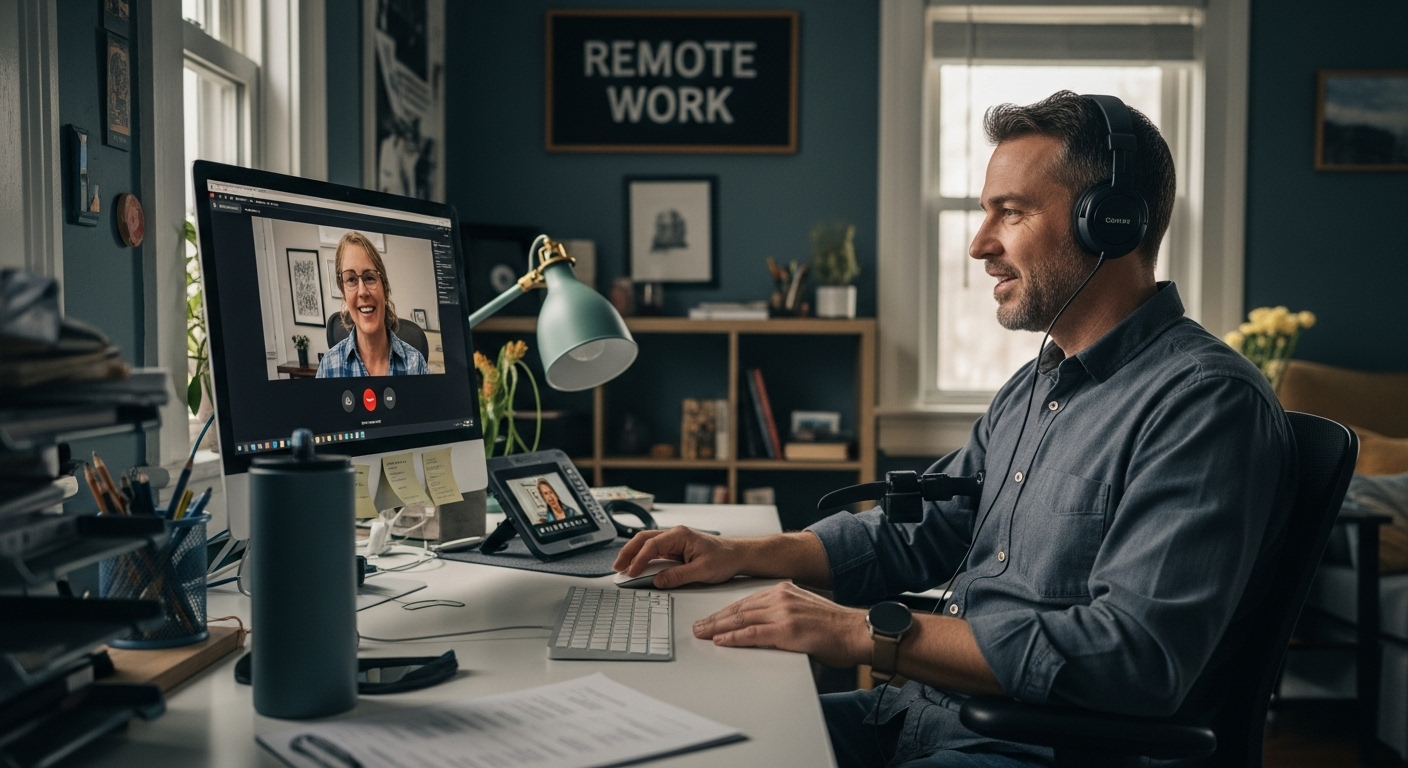
Remote work represents a transformative opportunity for creating more inclusive workplaces, particularly for professionals with disabilities.
Research demonstrates that flexible work arrangements can significantly reduce barriers and provide unprecedented access to professional opportunities.
Breaking Down Physical and Systemic Barriers
Traditional office environments often present significant challenges for individuals with disabilities. Physical workspaces can be inherently restrictive, requiring expensive architectural modifications or creating unnecessary navigation challenges. Remote work eliminates many of these physical barriers by allowing employees to create personalized, adaptive work environments tailored to their specific needs.
Specifically, remote work accommodations can address challenges such as:
- Eliminating commute-related transportation difficulties
- Reducing sensory overwhelm common in traditional office settings
- Providing flexibility for medical appointments and self-care
- Allowing customized ergonomic workspace configurations
- Enabling use of personal assistive technologies without workplace limitations
Technological Empowerment and Accessibility
Modern digital technologies have revolutionized how professionals with disabilities can engage in workplace environments. Assistive technologies like screen readers, voice-to-text software, and customizable interface settings become more seamlessly integrated in remote work settings, enabling professionals to leverage their unique strengths.
Exploring legal protections becomes crucial in understanding how remote work can be a powerful tool for workplace inclusivity. The shift toward remote and hybrid work models represents more than a technological trend—it signifies a fundamental reimagining of workplace accessibility, recognizing that professional contribution is not defined by physical presence but by skill, creativity, and performance.
Below is a comparison table summarizing the core types of workplace barriers and the corresponding benefits of remote work accommodations in overcoming them.
| Workplace Barrier | How Remote Work Accommodations Help |
|---|---|
| Physical office inaccessibility | Enables use of personalized, accessible spaces |
| Commute-related transportation | Removes need for daily travel |
| Sensory overwhelm | Allows control of work environment |
| Rigid schedules | Provides flexibility for medical needs |
| Limited assistive technology access | Supports integration of personal digital tools |
How Disability Discrimination Affects Workers in Tech
Disability discrimination in the tech industry creates profound and multifaceted challenges that significantly undermine professional opportunities and personal well-being for employees with disabilities. Research from the Bureau of Labor Statistics reveals that individuals with disabilities face substantially higher unemployment rates compared to their non-disabled counterparts.
Professional and Economic Impact
The consequences of disability discrimination extend far beyond individual experiences, creating systemic barriers that restrict career advancement and economic stability. Tech workers with disabilities frequently encounter discriminatory practices that limit their professional growth, including:
- Being passed over for promotions despite equivalent qualifications
- Experiencing significantly lower salary ranges
- Facing implicit bias during performance evaluations
- Encountering limited networking and mentorship opportunities
- Struggling with unequal access to training and skill development programs
Psychological and Emotional Consequences
Beyond tangible professional setbacks, disability discrimination inflicts significant psychological harm. Persistent workplace marginalization can lead to decreased job satisfaction, increased stress, and potential mental health challenges. Workers constantly navigating discriminatory environments experience higher rates of burnout, imposter syndrome, and reduced self-confidence.
Explore workplace disability discrimination violations to understand the full spectrum of potential legal protections. The tech industry must recognize that true innovation emerges from diverse perspectives, and excluding talented professionals based on disability status not only represents a moral failure but also a significant loss of potential creativity and problem-solving capabilities.
Key Concepts in Disability Rights and Remote Work Practices
Reasonable accommodations in the workplace represent a fundamental legal and ethical framework designed to ensure equal employment opportunities for professionals with disabilities. These accommodations are not special privileges but essential mechanisms that enable talented individuals to perform job functions effectively.
Understanding Reasonable Accommodations
Reasonable accommodations are modifications or adjustments to a work environment that enable qualified employees with disabilities to perform essential job functions. These accommodations can take multiple forms, recognizing the diverse needs of professionals across different disability spectrums:
The following table organizes key examples of reasonable accommodations and the challenges they address for tech employees with disabilities.
| Reasonable Accommodation | Challenge Addressed |
|---|---|
| Adaptive technological equipment | Barriers to effective computer use |
| Flexible work schedules | Scheduling medical appointments/fatigue |
| Modified work processes | Difficulties in standard workflows |
| Alternative communication methods | Communication impairments |
| Physical workspace adjustments | Inaccessible office layouts |
| Remote or hybrid arrangements | Physical commute or sensory issues |
- Adaptive technological equipment
- Flexible work schedules
- Modified work processes
- Alternative communication methods
- Physical workspace adjustments
- Remote or hybrid work arrangements
Legal Foundations and Employee Rights
The Americans with Disabilities Act (ADA) establishes comprehensive protections for workers with disabilities, mandating that employers provide reasonable accommodations unless doing so would cause undue hardship. This legal standard shifts the workplace paradigm from compliance to genuine inclusion, emphasizing an individual’s capabilities rather than perceived limitations.
Explore legal strategies for protecting disability rights to understand the nuanced landscape of workplace accommodations. The core principle remains consistent: professional evaluation should focus on an employee’s skills, performance, and potential—not their disability status.
Ready to Protect Your Rights in the Tech Workplace?
Disability discrimination in tech can leave you feeling isolated, overlooked for advancement, or unsure if you are being treated fairly. This article sheds light on how invisible barriers and denied accommodations can impact your job security and well-being. If you have faced challenges accessing remote work options or securing reasonable accommodations, you do not have to handle this struggle alone.
Take the first step toward a more fair and supportive work environment. For answers about your employment rights or legal options, visit our Employment Law Archives for in-depth resources or go straight to our main website to request a free consultation. The team at Serendib Law Firm is dedicated to protecting tech professionals from workplace discrimination and advocating for your opportunities. Reclaim your peace of mind and see how knowledgeable legal guidance can make a difference in your future—reach out to us now.
Frequently Asked Questions
What is disability discrimination in the tech industry?
Disability discrimination in the tech industry occurs when employees with disabilities are treated unfairly, face barriers to employment, and encounter unequal workplace opportunities based solely on their disabilities.
What are reasonable accommodations in the workplace?
Reasonable accommodations are changes or adjustments made to a work environment that aid qualified employees with disabilities in performing essential job functions. This can include adaptive technology, flexible schedules, or physical workspace modifications.
How does remote work help improve inclusivity for professionals with disabilities?
Remote work allows professionals with disabilities to overcome physical barriers often found in traditional office environments. It provides flexibility and the ability to create tailored workspaces that cater to individual needs, enhancing accessibility and job performance.
What legal protections exist for workers facing disability discrimination?
Workers with disabilities are protected under laws like the Americans with Disabilities Act (ADA), which mandates that employers provide reasonable accommodations and prevent discrimination based on an individual’s disability status.
Recommended
- Disability Discrimination | Serendib Law Firm
- Workplace Disability Discrimination- Common Violations by Employers | Serendib Law Firm
- Workplace Disability Discrimination- Common Violations by Employers | Serendib Law Firm
- Disability Discrimination FAQs | Serendib Law Firm
https://www.serendiblaw.com/disability-discrimination-in-the-tech-industry-and-failure-to-accommodate-remote-workers/?fsp_sid=371


Comments
Post a Comment